
About
Grow. Repair. Live More Fully.
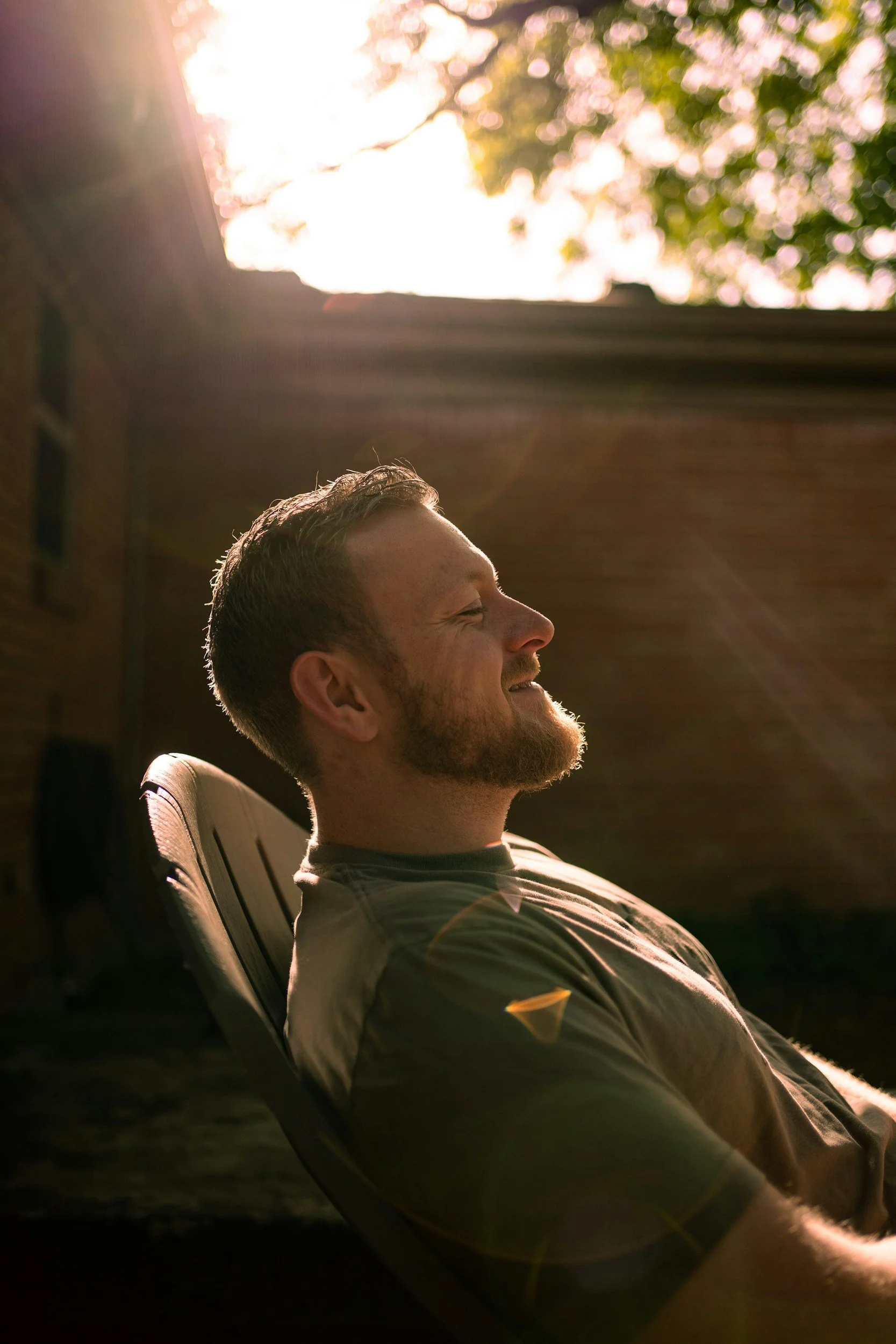
Therapy Designed for the Unique Needs of Men
Historically, therapy has not always felt overly inviting for men. The common belief is that men possess a distinct set of strengths and natural patterns that can feel out of place with the therapy process. Natural strengths, like self-sufficiency, problem solving, and favoring logic over emotional expression can sometimes make it harder for guys to slow down and look inward.
However, when these same strengths and patterns are honored, supported, and expanded, they can become powerful tools for building awareness, responding more effectively to challenges, and creating real, lasting change.
A Focus on Growth, Repair, and Living More Fully
Mental health touches everything—how you think, how you feel, how you act, and how you relate to yourself and the people and activities in your life. Therefore, therapy is designed to support you to actively engage your mental health so you can grow, repair, and live more fully—as an individual, partner, father, friend, coworker, and all the different ways you show up in your life. Here are five improvements that often reflect growth, repair, and living more fully:
1. Developing Practical Tools
Develop mental health skills you can use every day to manage stress, regulate emotions, communicate more effectively, and navigate life's challenges with greater confidence.
2. Growing Self-Awareness
Understanding your thoughts, emotions, behaviors, values and patterns helps you make intentional choices instead of reacting on autopilot.
3. Stronger Relationships
As you become more aware of yourself and communicate more effectively, relationships with your partner, family, friends, and coworkers often become more authentic and satisfying.
4. Emotional Flexibility
Rather than suppressing difficult emotions or reacting impulsively, you build the capacity to stay grounded, adapt to challenges, and choose responses that align with your values.
5. Increased Presence
Turn up your ability to fully engage with yourself, the people around you, and the life you are living—one moment at a time.
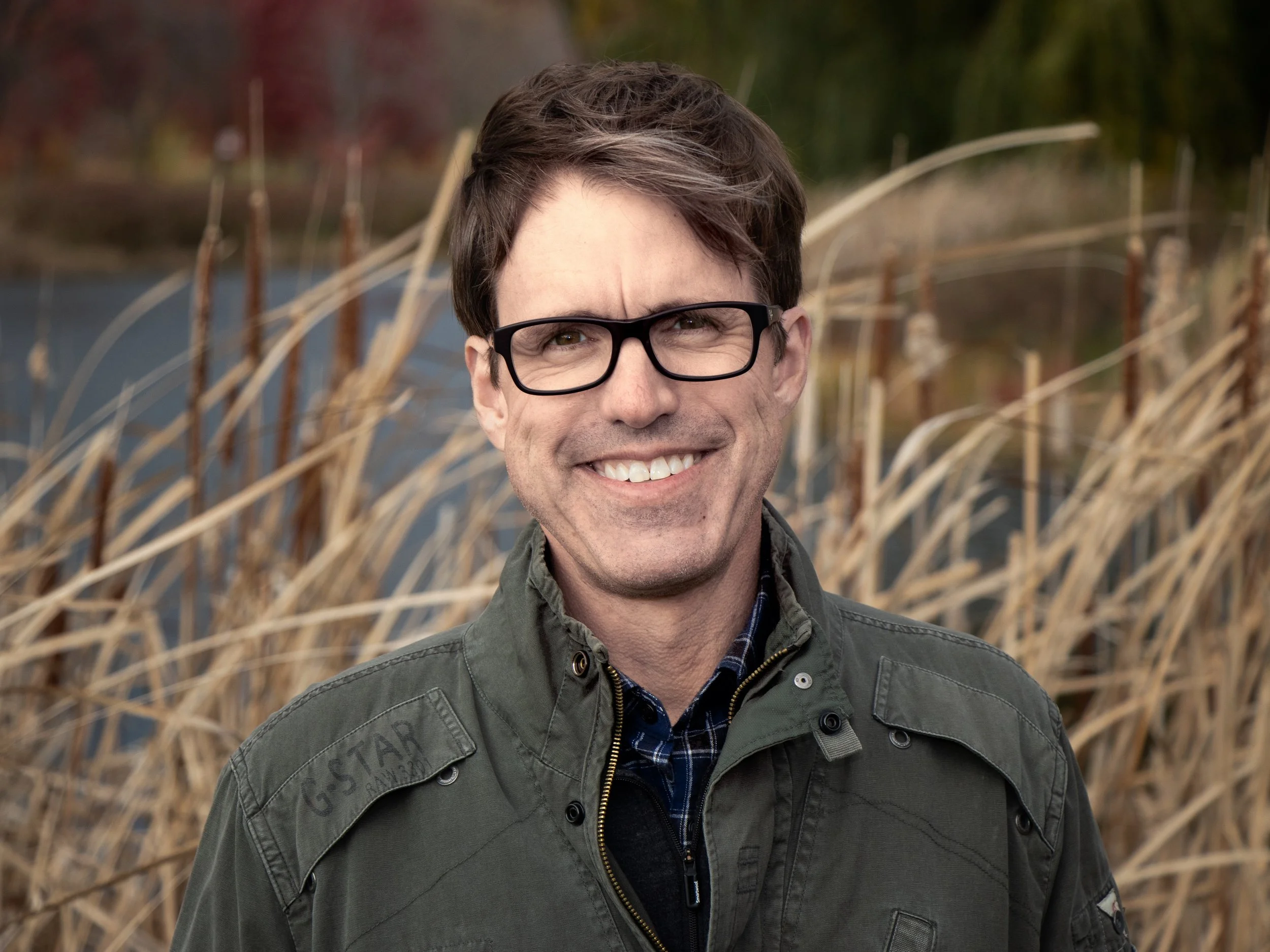
About Me
I am a board-certified, Licensed Professional Clinical Counselor (LPCC). For nearly a decade, I've dedicated my work to supporting men's mental health in group, community-based, and outpatient settings. Since becoming an outpatient therapist in 2020, I've focused primarily on supporting men to navigate challenges that include anxiety, depression, trauma, grief, relationship issues, burnout, low self-esteem, and major life transitions.
My approach is grounded in evidence-based therapies, informed by leading voices in men's psychology, and shaped by the privilege of walking alongside hundreds of men as they make meaningful changes in their lives.
Before becoming a therapist, I spent more than 20 years as a writer and creative director, resulting in a deep appreciation for the pressures many men carry around work, identity, relationships, and purpose. Today, my goal is simple: to provide practical, thoughtful, and engaging therapy that helps men grow, repair, and live more fully.
What Clients Say:

“How we live our days is how we live our lives.”
— Annie Dillard